
What to Do After a Burst Pipe in Ogden: The Critical First Hour
If a water pipe bursts in your Ogden home, take these immediate actions right now: 1) Shut off your main water valve clockwise immediately, 2) Shut off electrical breakers to wet areas from a dry location, 3) Open lowest faucets to relieve line pressure, 4) Call our 24/7 emergency water extraction crew at (866) 688-0301, and 5) Take timestamped photos before moving saturated belongings.
24/7 Water Damage Emergency? We Are on Call Right Now
Speak directly with our Ogden restoration dispatchers. We arrive within the hour across Weber County with industrial water extraction pumps and rapid structural drying equipment.
- 5★ on Google (4 reviews)
- 24/7 Live Dispatch
- 60-Min Emergency Arrival
- Fully Insured
- Free Assessments
- Serving Ogden & Northern Utah since 2023
Immediate Action: How to Shut Off the Main Water Line & Ensure Electrical Safety
A ruptured domestic water pipe operating under standard Ogden municipal pressure (typically 50 to 75 psi) discharges between 10 and 18 gallons of water per minute. In less than twenty minutes, a single split pipe releases over 250 gallons of water across your subfloors, cascading through finished ceilings and pooling on basement concrete slabs. Every second spent searching for a shut-off valve increases the cost and structural scope of restoration.
If water is spraying from an isolated appliance—such as a braided stainless steel toilet connector, washing machine rubber hose, or under-sink supply line—turn the local chrome oval stop valve clockwise until it firmly seats. However, if the rupture is concealed inside an exterior wall cavity, floor joist assembly, or attic crawlspace, you must immediately isolate the property’s main water shutoff valve.
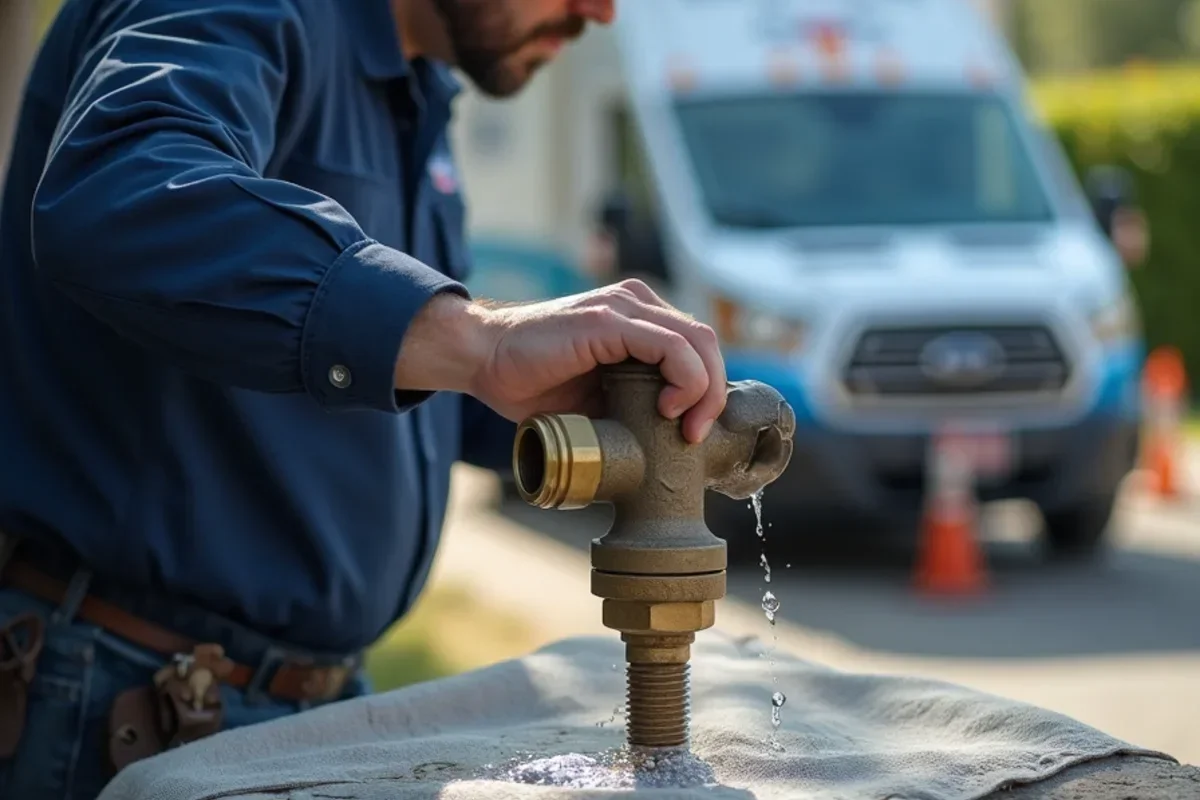
In Ogden and surrounding Weber County homes, the main culinary water shutoff valve is typically located in one of three areas: 1) In the basement near the front foundation wall where the municipal copper or galvanized service pipe enters from the street, 2) In a utility closet immediately adjacent to the domestic water heater, or 3) Inside a ground-level meter pit near the front sidewalk or driveway curb. If your valve features a modern brass quarter-turn ball valve, rotate the lever 90 degrees until it rests perpendicular to the pipe. If your home has an older round brass gate valve, turn the wheel clockwise until it stops completely, taking care not to force a seized valve stem.
Electrical safety must supersede property preservation. Water conducts electricity readily through dissolved minerals. Never step into standing water if electrical baseboard heaters, extension cords, submerged wall outlets, or appliances are submerged. If your main electrical panel can be accessed safely from a dry location, switch off the individual circuit breakers supplying the flooded rooms. If accessing the panel requires stepping through standing water, remain upstairs and contact Rocky Mountain Power immediately for an emergency meter pull.
First-Hour Action Checklist: Safeguarding Belongings & Insurance Documentation
Once the pressurized water supply has been cut and electrical hazards are neutralized, your next priority during the first hour is protecting your personal property and capturing forensic documentation for your insurance adjuster:
- Capture Forensic Photographic Evidence First: Before mopping, removing carpets, or moving waterlogged furniture, photograph and video the entire loss zone. Take wide-angle photos showing initial standing water depths, close-up shots of baseboard watermarks, and detailed pictures of damaged furniture, electronics, and cabinetry.
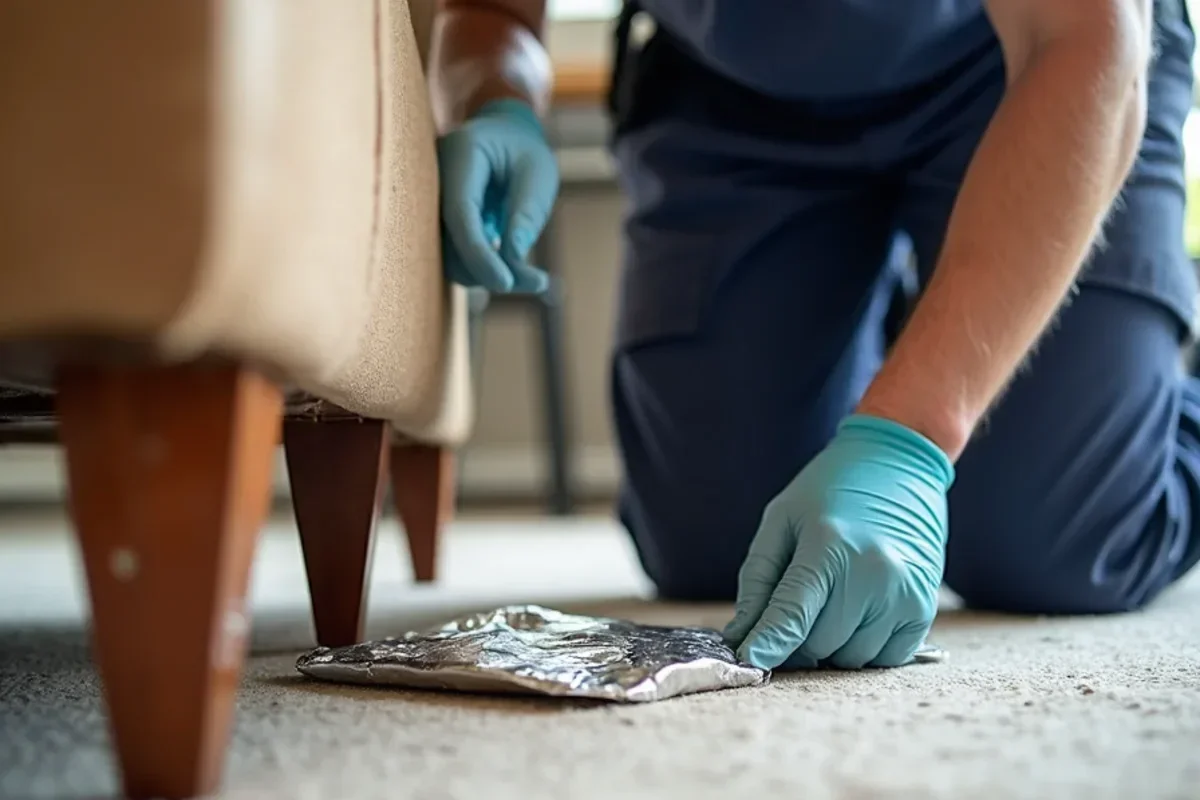
- Elevate Wooden & Metal Furniture: Place small squares of heavy-duty aluminum foil or rigid plastic wrap underneath all wooden and metal furniture legs resting on damp carpet. This simple action prevents wood furniture stains from bleeding into carpet fibers and stops metal caster rust from permanently ruining flooring.
- Relieve Sagging Drywall Ceilings: If water from an upper-floor rupture has accumulated above a main-floor or basement ceiling, the drywall will bow downward under water weight. Place a large clean bucket underneath the lowest point of the sag and puncture a small 1/4-inch hole in the center with a screwdriver to drain the reservoir, preventing a sudden, destructive ceiling collapse.
- Relocate Moisture-Sensitive Personal Assets: Move cardboard document storage boxes, family photo albums, laptops, gaming consoles, and seasonal clothing to a dry, unflooded upper level.
- Open Interior Doors & Cabinets: Open vanity cabinet doors under wet sinks, interior bedroom doors, and closet doors to encourage ambient air movement and discourage localized humidity pockets.

The Science of Water Migration: Why DIY Shop-Vacs Fail in Northern Utah Homes
A frequent and costly mistake homeowners make following a burst pipe is attempting to dry the structure using household towels, wet-dry shop vacuums, and box fans. While a residential shop-vac can remove superficial surface water from linoleum or tile, it lacks the lift and CFM capacity to extract moisture that has soaked through carpet padding into plywood subflooring or foundation concrete.
Building materials operate under the laws of capillary action. Saturated water migrates laterally and vertically, traveling up drywall pores at a rate of several inches per hour. Water wicks behind baseboard moldings, absorbs into fiberglass insulation batts, and pools inside structural bottom plates. Household fans merely circulate humid room air across wet surfaces, evaporating surface water while leaving framing cavities completely saturated.
| Mitigation Metric | DIY Household Approach (Shop-Vac & Fans) | Certified IICRC S500 Commercial Mitigation |
|---|---|---|
| Extraction Mechanism | Low-lift residential vacuum (removes ~20% of trapped water) | High-volume truck-mounted extraction with weighted glides (extracts ~95% of water) |
| Subfloor & Cavity Detection | Visual guess and surface touch (cannot detect hidden pockets) | FLIR infrared thermography and calibrated non-invasive moisture meters |
| Structural Dehumidification | Standard residential box fans (evaporates surface only) | Industrial Low-Grain Refrigerant (LGR) & desiccant dehumidifiers (drops RH below 30%) |
| Microbial Defense | None or household bleach (bleach fails on porous drywall) | EPA-registered botanical antimicrobials and commercial HEPA air scrubbers |
| Insurance Claim Documentation | Informal homeowner receipts (frequently disputed) | Standardized Xactimate itemized line items and psychrometric drying logs |
Expert Trade-Offs: When Can Saturated Materials Be Saved vs Replaced?
Restoration engineering balances material preservation against human health and long-term structural integrity. Under ANSI/IICRC S500 Standards for Professional Water Damage Restoration, building materials respond differently based on water contamination categories and exposure duration:
1. Drywall and Gypsum Assemblies: In clean-water domestic pipe ruptures (Category 1) addressed within 24 hours, undamaged drywall can frequently be dried in place using cavity injection systems. However, if water has soaked the wall for over 48 hours or if water originated from an uninsulated ceiling with wet cellulose insulation, the drywall loses structural binder strength, bows, and must undergo clean 12-to-24-inch flood cuts.
2. Fiberglass Batt and Cellulose Insulation: Wet fiberglass insulation permanently compresses when soaked, losing its engineered R-value. Furthermore, saturated insulation holds water directly against structural timber studs for weeks. Wet insulation cannot be restored and must always be extracted and discarded.
3. Carpet Padding vs Carpet Face Fibers: Synthetic carpet fibers (such as nylon and polyester) can often be professionally extracted, sanitized, and salvaged in Category 1 losses. Conversely, bonded polyurethane foam carpet padding acts as an impermeable sponge. Saturated pad cannot be dried under carpet without causing subfloor rot; the pad is inexpensive to replace and should be stripped immediately.
4. Hardwood and Engineered Flooring: Solid oak and maple floorboards absorb water through their unfinished underside, causing board edges to expand and cup upward. When caught within 24 to 48 hours, specialized negative-pressure floor-drying mats can pull moisture directly through the wood grain without removing the floor. However, engineered wood flooring featuring composite backing often delaminates under water immersion and requires replacement.
Common Local Causes of Pipe Bursts in Ogden & Wasatch Front Climates
Plumbing failures in Ogden and Weber County are heavily influenced by the region’s distinct high-desert mountain geography and historical housing infrastructure:
- Wasatch Canyon Freeze-Thaw Cycles: Bitter cold air draining down Ogden, Weber, and Coldwater Canyons routinely drops winter overnight temperatures below 0°F. Sustained wind chills strip thermal energy from north-facing exterior walls and unheated garage ceiling cavities, freezing uninsulated plumbing branches.
- Historic Post-War Galvanized Corrosion: Thousands of homes built in Ogden, South Ogden, and Washington Terrace between 1945 and 1970 retain original galvanized steel pipes. Over six decades of exposure to mineral-rich municipal water causes severe internal calcification, wall thinning, and sudden pinhole ruptures.
- Hard Water Scaling & Pressure Surges: Weber County water carries elevated concentrations of calcium and magnesium minerals. Limescale accumulates inside water heater tanks, pressure-reducing valves (PRVs), and copper fittings, creating localized pressure spikes that rupture weak pipe joints.
- Polybutylene Supply Lines: Homes constructed in suburban subdivisions throughout Roy, Layton, and Syracuse between 1978 and 1995 frequently contain gray polybutylene plumbing. These pipes react with municipal disinfectants, causing plastic acetal fittings to crack and burst without warning.
Post-Incident Protocol: Navigating Your Insurance Claim & Permanent Plumbing Repairs
Recovering from a pipe burst requires coordinated action between your certified mitigation contractor, a licensed master plumber, and your property insurance adjuster. Following water shut-off, immediately contact your insurance provider’s 24-hour claims hotline to open a claim.
Under Utah insurance regulations, homeowners are legally required to take reasonable steps to mitigate secondary damage. Hiring a certified water restoration contractor to extract standing water and install commercial drying equipment fulfills this obligation. Our project managers document every phase of mitigation with timestamped photo catalogs, infrared moisture maps, and standardized Xactimate billing codes that align directly with insurance carrier requirements, ensuring your claim is processed smoothly.
24/7 Water Damage Emergency? We Are on Call Right Now
Speak directly with our Ogden restoration dispatchers. We arrive within the hour across Weber County with industrial water extraction pumps and rapid structural drying equipment.
- 5★ on Google (4 reviews)
- 24/7 Live Dispatch
- 60-Min Emergency Arrival
- Fully Insured
- Free Assessments
- Serving Ogden & Northern Utah since 2023
Frequently Asked Questions
- In most Ogden and Weber County residences, the main water shutoff valve is located in the basement near the front foundation wall where the municipal line enters, in a utility closet near the domestic water heater, or inside an exterior ground meter pit near the street curb.