
How to Prevent Mold After Water Damage in Northern Utah
To prevent mold colonization after water damage, homeowners have a critical 24-to-48-hour biological window to extract standing liquid, reduce indoor relative humidity below 45% using commercial LGR dehumidifiers, and apply EPA-registered botanical antimicrobials. Certified psychrometric drying halts fungal spore germination before colonies establish. Call Ogden Mold Removal Solutions at (866) 688-0301 for immediate emergency water extraction and drying.
The Biological Clock: The 24-to-48-Hour Germination Window
When a pressurized plumbing line ruptures or a basement floods in Ogden, the clock immediately begins ticking toward microbial contamination. Fungal spores of Aspergillus, Penicillium, and Cladosporium are ubiquitous microscopic inhabitants of every residential environment in Northern Utah, resting dormant in household dust, carpet fibers, and wall cavities. In dry ambient conditions, these spores remain inert and harmless.
However, the instant water penetrates building materials, it elevates local water activity (aw) above 0.70. Under typical indoor room temperatures between 68°F and 76°F, dormant spores absorb moisture, swell, and initiate metabolic germination within just 24 to 48 hours. The emerging fungal germ tubes branch into filamentous hyphae that secrete digestive enzymes directly into organic building materials—feeding on the cellulose paper of sheetrock, plywood starches, and carpet backing. Once hyphae establish anchor roots within structural lumber, simple surface drying cannot eliminate the organism. Stopping mold requires intervening with aggressive industrial extraction and psychrometric drying before the 48-hour germination threshold lapses.
The Danger of Amateur Drying: Why Household Fans Cause Mold
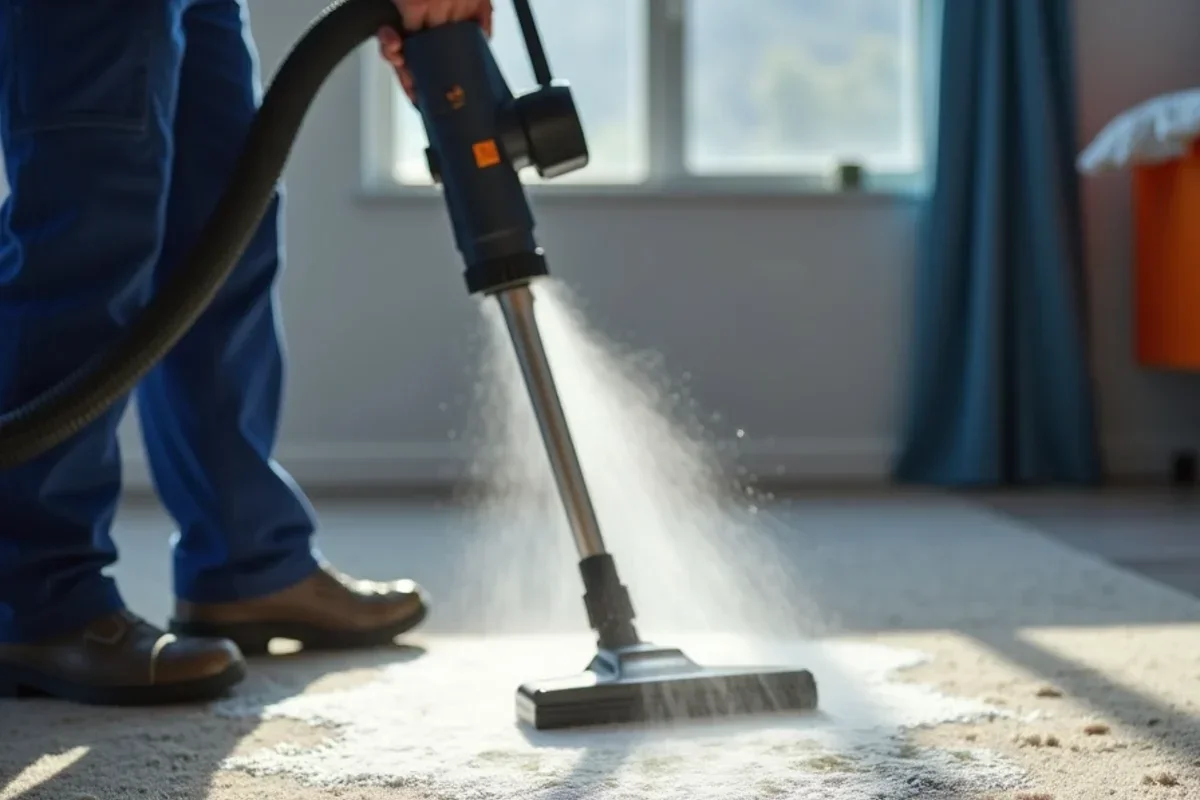
A frequent and costly error made by Weber County homeowners is placing standard household box fans across wet floors while leaving windows shut or unconditioned. While moving air over wet carpet creates the illusion of progress, it actually accelerates microbial cross-contamination and secondary damage.
Air movers convert liquid water from saturated surfaces into invisible airborne water vapor through convection. However, fans do not remove water mass from the building envelope. Without commercial dehumidification to condense and pump out that airborne moisture, ambient indoor relative humidity quickly spikes to 85%–95%. Warm, moisture-saturated air travels into adjacent unflooded bedrooms, condensing behind picture frames, inside closets, and along cold exterior baseboards. By attempting to dry one room with box fans, homeowners inadvertently seed toxic mold blooms throughout their entire home.
Psychrometric Science: Sizing Industrial Dehumidification
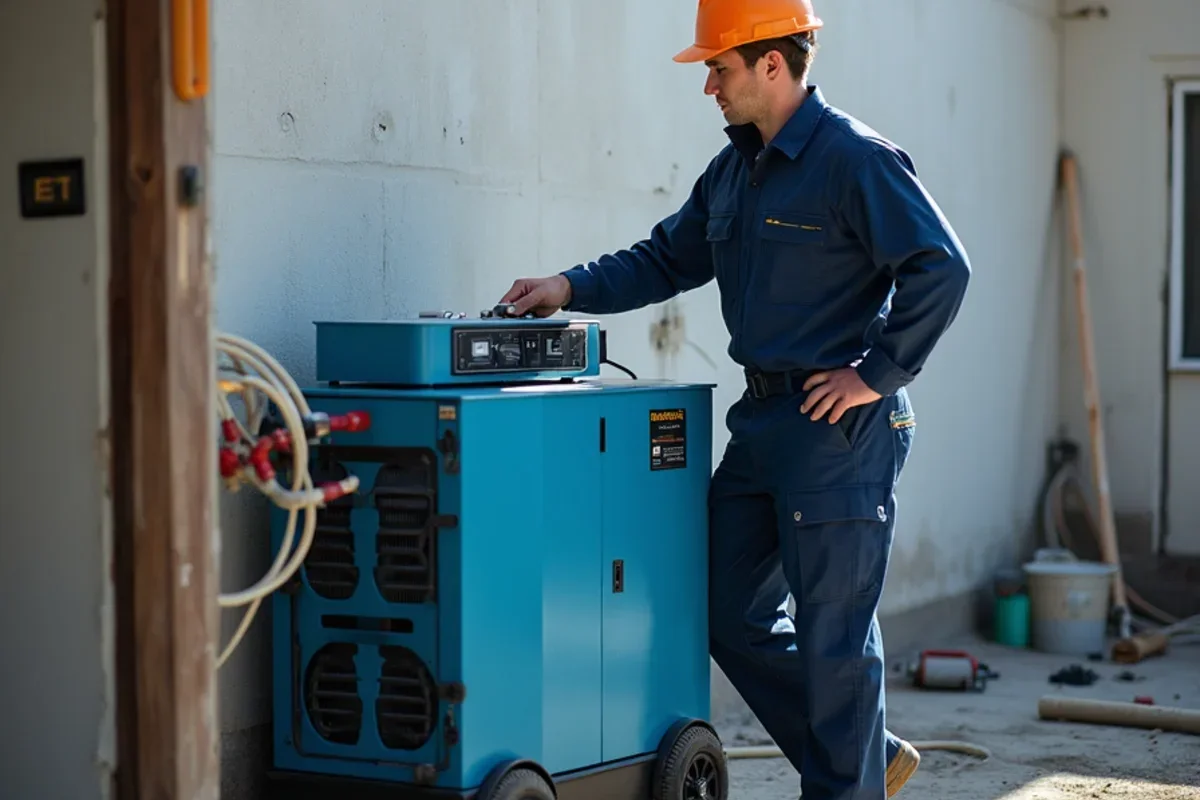
Certified IICRC water restoration specialists employ psychrometrics—the thermodynamic study of moist air—to engineer controlled drying chambers. To prevent mold, technicians calculate the exact dehumidification capacity required based on the ANSI/IICRC S500 Class of Water Loss:
| Water Loss Class | Description of Saturation Scope | Dehumidifier Sizing Factor (LGR) | Air Movers Deployment | Target Drying Time |
|---|---|---|---|---|
| Class 1: Minimal Intrusion | Only part of a room; low-permeance materials (tile, concrete); minimal moisture absorbed | Cubic feet of space divided by 100 = AHAM pints required | 1 fan per 50–70 sq. ft. of wet floor | 2 to 3 days |
| Class 2: Significant Intrusion | Entire room; carpet, cushion, and drywall wicked up to 24 inches; plywood subfloor wet | Cubic feet of space divided by 50 = AHAM pints required | 1 fan per 40–50 sq. ft. plus 1 per wall setup | 3 to 4 days |
| Class 3: Deep Overhead Intrusion | Water originates overhead; ceiling, walls, insulation, carpet, and subfloor saturated | Cubic feet of space divided by 40 = AHAM pints required | 1 fan per 30–40 sq. ft. plus wall cavity injectors | 3 to 5 days |
| Class 4: Specialty Deep Bound Water | Hardwood, plaster, masonry, concrete subfloors with deeply bound moisture | Cubic feet of space divided by 30 = AHAM pints required | Specialty negative-pressure floor mats / heat trailers | 4 to 7 days |
Our technicians deploy commercial Low-Grain Refrigerant (LGR) dehumidifiers. Unlike standard residential dehumidifiers that lose efficiency as air becomes dry, LGR units continue extracting airborne water vapor down to 30 to 35 grains per pound (GPP), lowering the ambient dew point far below structural surface temperatures and drawing deeply bound water out of dense framing lumber.
Material Triage: Salvage vs. Controlled Demolition Matrix
Preventing mold requires ruthless decision-making regarding which wet materials can be scientifically dried and which must be removed immediately to eliminate mold food sources:
| Building Material | Category 1 (Clean Pipe Burst) | Category 2 (Grey Water / Washer) | Category 3 (Black Water / Sewer) | Salvage Criteria & Actions |
|---|---|---|---|---|
| Synthetic Carpet Face Fiber | Salvageable | Salvageable with sanitization | NON-SALVAGEABLE (Discard) | Extract water within 24 hrs; apply antimicrobial wash down. |
| Bonded Polyurethane Pad | NON-SALVAGEABLE (Discard) | NON-SALVAGEABLE (Discard) | NON-SALVAGEABLE (Discard) | Padding traps water and microbes like a sponge; always replace. |
| Drywall Gypsum & Paper | Salvageable if < 24 hrs wet | Remove affected lower 12–24 in. | NON-SALVAGEABLE (Discard) | Capillary wicking above moisture line requires clean flood cuts. |
| Fiberglass Batt Insulation | NON-SALVAGEABLE (Discard) | NON-SALVAGEABLE (Discard) | NON-SALVAGEABLE (Discard) | Traps water against wooden framing; loses R-value; always discard. |
| Solid Hardwood Flooring | Salvageable with floor mats | Case-by-case evaluation | NON-SALVAGEABLE (Discard) | Deploy Injectidry negative suction floor panels before cupping sets. |
| Laminate / Engineered OSB | NON-SALVAGEABLE (Discard) | NON-SALVAGEABLE (Discard) | NON-SALVAGEABLE (Discard) | OSB edges swell permanently; cannot be dried without delamination. |
Addressing Subterranean Moisture: Utah Foundation Cold Joints
Preventing mold long-term in Weber County requires addressing regional hydrogeological realities. Homes throughout Ogden, Roy, West Haven, and Syracuse are constructed atop dense Lake Bonneville lacustrine clay soils. When heavy spring snowpack melts from Ben Lomond Peak or secondary irrigation lines pressurize in April, groundwater tables rise rapidly, exerting tremendous hydrostatic pressure against basement foundations.
Water migrates through concrete porous capillaries and the "cold joint"—the seam where the vertical foundation wall meets the horizontal basement floor slab. If water intrusion is addressed only from the interior without resolving external drainage, moisture will continually wick into wall cavities, overwhelming drying equipment and fostering recurrent mold colonies. Restoration technicians inspect perimeter window well drains, test mechanical sump pump float switches, verify exterior grading slope (requiring a minimum 6-inch drop over the first 10 feet away from the foundation), and recommend 20-mil sealed crawlspace vapor barriers to permanently isolate living spaces from subterranean moisture.
Antimicrobial Chemical Barriers: Halting Spore Metabolism
Physical water extraction and dehumidification must be paired with EPA-registered antimicrobial biocide treatments. Immediately following bulk water removal, technicians apply hospital-grade botanical biocides formulated with natural thymol (derived from oil of thyme). Unlike harsh sodium hypochlorite (bleach) formulations that produce corrosive chlorine gas and degrade wooden structural fibers, botanical biocides penetrate deep into the porous cellular matrix of Douglas fir framing and concrete substrates.
These EPA-registered solutions lyse the cell walls of vegetative mold spores and bacterial pathogens, preventing metabolic cell division without off-gassing hazardous synthetic chemicals. This ensures that the indoor environment remains completely safe for children, pets, and chemical-sensitive occupants during the drying cycle.
Verifying Dry Standards: The Science of Moisture Metering
A property is never "dry" when it simply feels dry to a homeowner's palm. Water restoration technicians use scientific instrumentation to verify that all structural assemblies have met calibrated "dry standards":
- 1
Establish Unaffected Baseline Standard
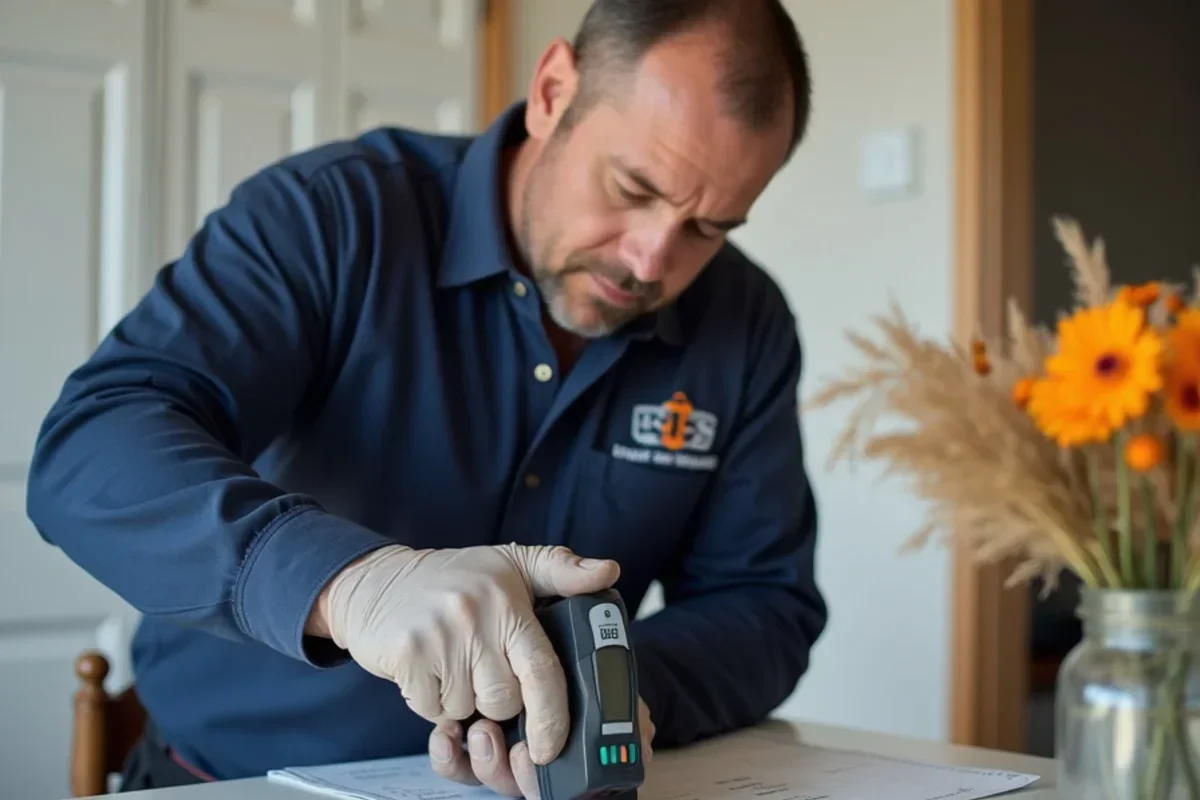
Technicians use calibrated digital moisture meters to test identical building materials in an unaffected room, establishing the target equilibrium moisture content (typically 8% to 12% Wood Moisture Equivalent, or WME).
- 2
Non-Destructive RF Scanning
Pinless radio-frequency meters scan large surface areas of sheetrock, tile, and hardwood to trace hidden subsurface moisture boundaries without puncturing finishes.
- 3
Deep Structural Pin-Probe Testing
Insulated hammer probes drive deep into framing sill plates and subfloor plywood to measure moisture core levels, ensuring no hidden water remains locked in structural members.
- 4
Daily Atmospheric Psychrometric Logging
Technicians record ambient temperature, relative humidity, and grains per pound (GPP) every 24 hours, charting the rate of moisture extraction until dry standards are achieved.
24/7 Water Damage Emergency? We Are on Call Right Now
Speak directly with our Ogden restoration dispatchers. We arrive within the hour across Weber County with industrial water extraction pumps and rapid structural drying equipment.
- 5★ on Google (4 reviews)
- 24/7 Live Dispatch
- 60-Min Emergency Arrival
- Fully Insured
- Free Assessments
- Serving Ogden & Northern Utah since 2023
Frequently Asked Questions
- Under typical indoor temperatures (68°F to 75°F), mold spores germinate and begin colonizing wet drywall paper, wood framing, and carpet backing within 24 to 48 hours. Immediate water extraction and dehumidification within this 48-hour window is critical to prevent permanent fungal contamination.