
The Mold Remediation Process, Step by Step: IICRC S520 Standards
The professional mold remediation process follows strict ANSI/IICRC S520 engineering standards across five sequential phases: diagnostic inspection and moisture mapping, negative-pressure isolation containment, controlled removal of contaminated porous materials, structural HEPA micro-cleaning, and independent post-remediation clearance testing. For certified, guaranteed mold abatement in your Ogden home, call Ogden Mold Removal Solutions at (866) 688-0301.
The Science of Remediation: The ANSI/IICRC S520 Benchmark
Homeowners facing indoor mold contamination frequently assume that removing mold is equivalent to general janitorial cleaning—spraying a chemical over visible discoloration and scrubbing it away. In professional environmental restoration, this assumption is dangerously flawed. Mold remediation is a specialized micro-biological containment science governed by the Institute of Inspection, Cleaning and Restoration Certification (IICRC) under the ANSI/IICRC S520 Standard for Professional Mold Remediation.
The overarching objective of the S520 standard is not merely killing fungal organisms, but physically removing the fungal biomass—including viable spores, dead spores, hyphae, and cellular fragments—and returning the indoor space to a verifiable "Condition 1" status. Under IICRC definitions, indoor environments are categorized into three distinct ecological states:
- Condition 1 (Normal Fungal Ecology): An indoor environment that may have settled mold spores, fungal fragments, or traces of active growth whose types and concentrations are typical for normal, healthy indoor environments of similar construction.
- Condition 2 (Settled Spores): An indoor environment contaminated with settled spores or fungal fragments that were dispersed by nearby active fungal colonies, but does not yet exhibit active fungal growth on surfaces.
- Condition 3 (Actual Fungal Growth): An indoor environment contaminated with the presence of active or dormant fungal growth on surfaces, requiring physical containment and source removal.
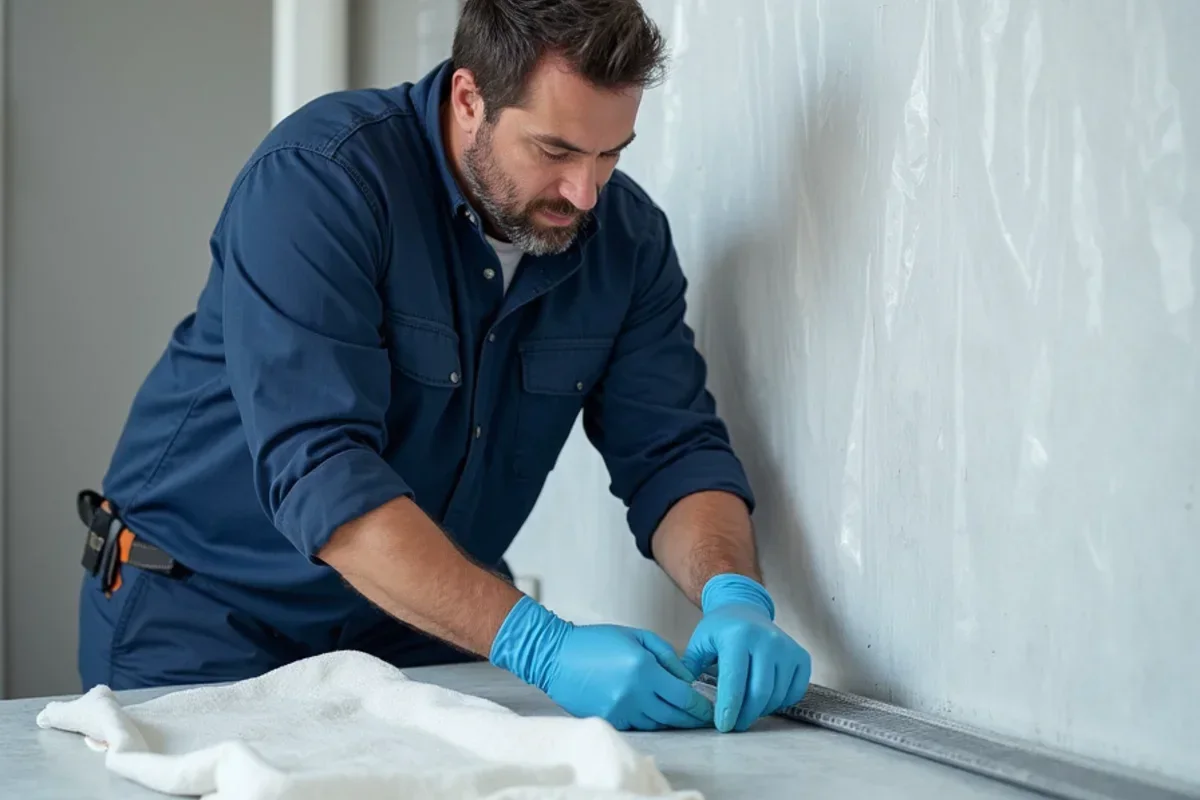
Process Comparison: Certified S520 Protocol vs. Cosmetic Treatment
To understand why licensed remediation protects your family and home value, compare how certified technicians operate versus unregulated cosmetic handymen:
| Operational Stage | ANSI/IICRC S520 Certified Protocol | Uncertified Handyman / Cosmetic Fix | Risk of Failure / Cross-Contamination |
|---|---|---|---|
| Pre-Inspection | Calibrated thermal imaging, moisture mapping, and independent baseline air testing | Visual glance with a flashlight; no moisture tracking | Hidden leaks left unresolved, feeding rapid fungal regrowth. |
| Containment | Airlock zipper barriers, 6-mil poly walls, continuous -0.02" w.g. negative pressure | Open interior doors, zero poly isolation, household box fans | Aerosolized spores disperse into bedrooms and central HVAC ducts. |
| Porous Demolition | Wet-misting to prevent spore dust, clean flood cuts, sealed 6-mil hazard bagging | Dry hammer tearing, dragging unbagged wet drywall through home | Billions of toxigenic spores contaminate furniture, carpets, and air. |
| Framing Cleaning | HEPA-sandwich method: HEPA vacuuming, wire brushing, EPA botanical biocide wash | Surface spraying with chlorine bleach; leaves subterranean roots intact | Chlorine evaporates, water feeds remaining roots, causing mold rebound. |
| Air Filtration | Commercial HEPA units providing 6 to 12 air changes per hour (ACH) continuously | No filtration or standard shop vacuums lacking true HEPA seals | Exhaust ports blast millions of micro-particles into living spaces. |
| Post-Clearance | Independent third-party laboratory air cassettes and written PRV certification | Contractor declares it "looks clean"; no scientific verification | Unconfirmed air quality; liability issues during future home sales. |
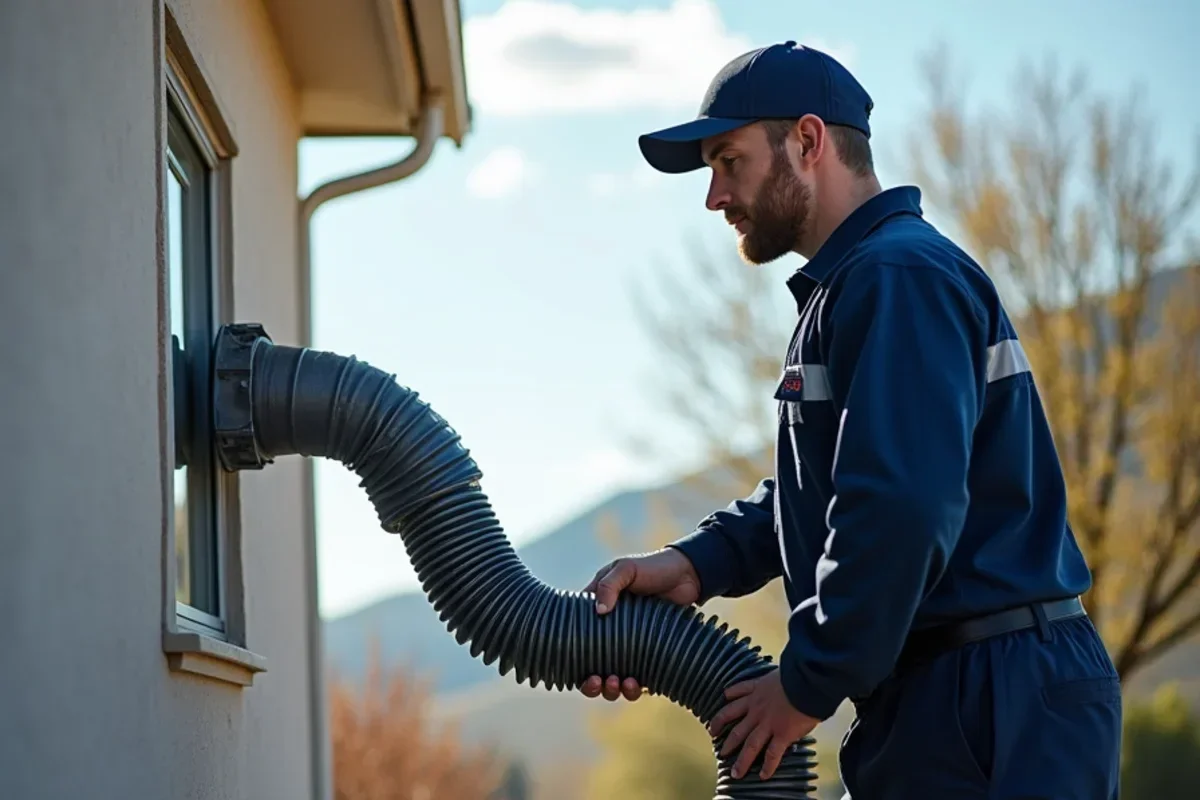
Step 1: Diagnostic Assessment & Moisture Mapping
Remediation cannot succeed without identifying and stopping the precise moisture mechanism driving fungal growth. Our IICRC-certified Applied Microbial Remediation Technicians (AMRT) conduct an exhaustive non-invasive forensic assessment throughout the affected structure.
Using high-resolution FLIR infrared thermal cameras, technicians detect subtle evaporative cooling patterns that reveal hidden moisture plumes behind finished walls, beneath hardwood, or under attic insulation. We verify thermal anomalies with Delmhorst dual-mode pin and pinless radio-frequency moisture meters, measuring wood moisture equivalent (WME) and concrete equilibrium relative humidity. A written, site-specific work plan is drafted detailing containment boundaries, negative air duct paths, material disposal lists, and personal protective equipment (PPE) requirements.
Step 2: Negative Pressure Containment Engineering
When contaminated building materials are handled or cut, billions of microscopic fungal spores become airborne. Without containment, normal indoor convection currents and HVAC airflow would contaminate the entire house. Technicians establish isolation chambers using heavy 6-mil flame-retardant polyethylene sheeting attached to floors and ceilings with non-destructive tension poles and poly-tack adhesive tape.
A critical containment element is the decontamination airlock—a dual-chamber transition zone with zippered entries that allows workers to vacuum their PPE and bag materials without breaking the enclosure seal. Commercial negative air machines equipped with multi-stage pre-filters and certified HEPA final filters (99.97% efficiency at 0.3 microns) continuously exhaust air outside the home through window discharge ports. Technicians use digital differential manometers to verify a continuous pressure differential of at least -0.02 inches of water column (-5 Pascals). Because the containment zone is under negative pressure, fresh air is constantly drawn inward through microscopic gaps, physically preventing any spore from escaping into clean living spaces.
Technicians precisely engineer the required volumetric airflow rates (measured in cubic feet per minute, or CFM) based on total room dimensions to achieve 6 to 12 air changes per hour (ACH). For example, a 600-square-foot finished basement with 8-foot ceilings represents 4,800 cubic feet of air volume; maintaining 8 ACH requires 640 CFM of dedicated mechanical exhaust. We typically install two commercial 500-CFM units equipped with variable-speed controls, providing redundant filtration and guaranteeing sustained negative static pressure throughout demolition.
Step 3: Selective Controlled Demolition
Fungi reproduce by sending microscopic root-like filaments called hyphae deep into porous, cellulose-based building materials. When porous substrates—such as gypsum drywall, acoustic ceiling tiles, carpet padding, and paper-faced fiberglass insulation—sustain fungal colonization, they cannot be salvaged and must be discarded under controlled protocols.
Technicians mist affected surfaces with an antimicrobial surfactant to suppress dust generation. Drywall is cut cleanly 12 to 24 inches beyond the furthest visible sign of fungal growth or water staining using precision oscillating tools. Saturated materials are placed directly into heavy 6-mil poly disposal bags inside the containment zone. Bags are vacuumed, twisted, goose-necked with vinyl tape, and wiped down with disinfectant solution inside the airlock before being transported directly to disposal vehicles, ensuring zero debris enters residential hallways.
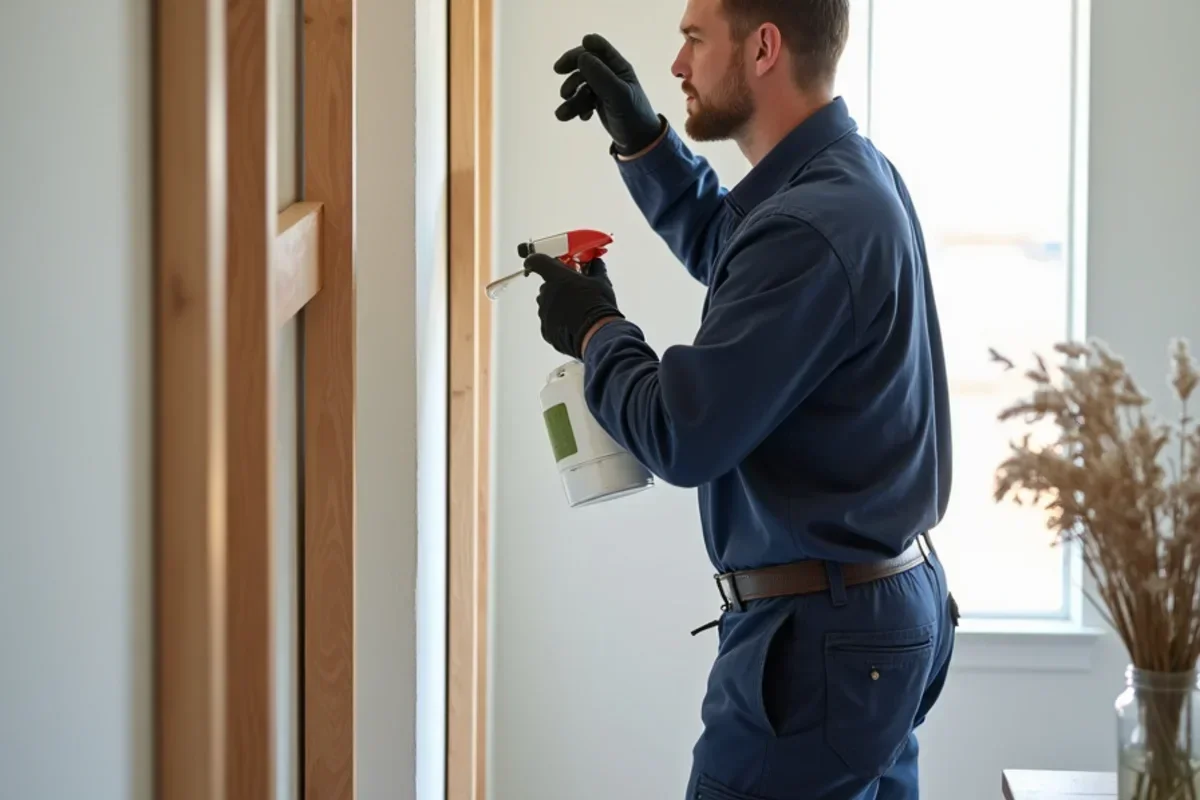
Step 4: The "HEPA Sandwich" Micro-Cleaning Technique
Semi-porous and non-porous structural elements—such as Douglas fir 2x4 wall framing, engineered floor joists, plywood subflooring, and concrete foundation walls—cannot be thrown away and must be remediated in place. To achieve complete biological decontamination, technicians utilize the rigorous "HEPA Sandwich" methodology:
- 1
Initial HEPA Vacuuming
All framing surfaces, sill plates, masonry, and containment poly walls receive comprehensive vacuuming with commercial HEPA machines equipped with brush attachments, removing loose fungal biomass and settled spores.
- 2
Abrasive Agitation and Scrubbing
Technicians aggressively wire-brush, sand, or media-blast (using dry-ice or soda) the surface of structural framing to physically dislodge fungal hyphae anchored in the wood grain.
- 3
Antimicrobial Wash Down
Exposed framing is hand-wiped and scrubbed with EPA-registered hospital-grade botanical disinfectants (such as thymol-based formulas) that penetrate microscopic wood crevices to neutralize residual spores.
- 4
Final HEPA Vacuum Pass
After treated substrates dry completely, a second full-coverage HEPA vacuum pass captures all settled debris and loosened cellular fragments created during the abrasive cleaning phase.
Step 5: Encapsulation & Independent PRV Clearance
Following structural micro-cleaning, exposed wooden framing and subflooring are coated with a certified, breathable antimicrobial encapsulant. This elastomeric polymer sealant locks down microscopic wood pores and contains active silver-ion or zinc-pyrithione fungicidal inhibitors that prevent fungal spore germination if accidental humidity occurs in the future.
The crowning achievement of the ANSI/IICRC S520 process is Post-Remediation Verification (PRV). While containment barriers and HEPA air scrubbers remain running, an independent indoor environmental professional (IEP) enters the work zone. The inspector conducts a rigorous white-glove visual inspection checking for any dust, debris, or residual staining. Air-O-Cell spore trap cassettes are drawn inside the containment and compared against outdoor control air. To pass clearance, indoor airborne spore counts must be statistically equivalent to or lower than outdoor background air, and zero toxigenic species (such as Stachybotrys chartarum or Chaetomium globosum) may be detected. Once passing laboratory clearance is issued, containment is dismantled and rebuild reconstruction begins.
24/7 Water Damage Emergency? We Are on Call Right Now
Speak directly with our Ogden restoration dispatchers. We arrive within the hour across Weber County with industrial water extraction pumps and rapid structural drying equipment.
- 5★ on Google (4 reviews)
- 24/7 Live Dispatch
- 60-Min Emergency Arrival
- Fully Insured
- Free Assessments
- Serving Ogden & Northern Utah since 2023
Frequently Asked Questions
- Standard residential remediation for a single room, basement living area, or crawlspace typically takes between two and four business days. This timeframe encompasses containment assembly, negative air scrubbing, selective material removal, framing micro-cleaning, encapsulant drying, and independent third-party laboratory clearance testing.