
Basement Flooded? First Steps for Weber County Homeowners
If your basement is flooded in Weber County, immediately execute these critical steps: 1) Avoid stepping into standing water until electrical power is shut off at the breaker, 2) Identify the water source—turn off the main valve for plumbing breaks or check your sump pump float switch, 3) Call our 24/7 Weber County extraction team at (866) 688-0301, 4) Document standing water with timestamped photos for insurance, and 5) Never enter water containing sewage or river sediment without protective gear.
24/7 Water Damage Emergency? We Are on Call Right Now
Speak directly with our Ogden restoration dispatchers. We arrive within the hour across Weber County with industrial water extraction pumps and rapid structural drying equipment.
- 5★ on Google (4 reviews)
- 24/7 Live Dispatch
- 60-Min Emergency Arrival
- Fully Insured
- Free Assessments
- Serving Ogden & Northern Utah since 2023
Immediate Electrical and Biological Hazard Triage: Staying Safe Above the Flood
Discovering standing water across a basement floor is one of the most alarming emergencies a Weber County homeowner can face. However, rushing down the stairs into standing water can be life-threatening. Water is an exceptional conductor of electricity when dissolved minerals or cleaning agents are present. If pooled water reaches electrical baseboard heaters, extension cords, floor lamps, or submerged wall outlets, the entire water volume can become energized.
Never step into a flooded basement until you are certain the electrical supply to that level is dead. If your main circuit breaker panel is situated upstairs or in an unflooded garage, switch off the individual breakers controlling basement circuits. If the main breaker box is located in the basement and requires walking through water to reach, do not enter; call Rocky Mountain Power immediately to perform an emergency exterior service disconnection at the meter.
In addition to electrical shock hazards, floodwater presents severe biological threats. If water has backed up through a basement floor drain, utility sink, or toilet, or if it carries muddy river silt, it is classified as Category 3 black water under ANSI/IICRC S500 standards. Black water teems with coliform bacteria, enteric viruses, fungal parasites, and agricultural chemical runoff. Inhaling aerosolized bio-contaminants or touching contaminated water without rubber boots, nitrile gloves, and an N95 or half-face respirator can cause severe gastrointestinal and respiratory illness.
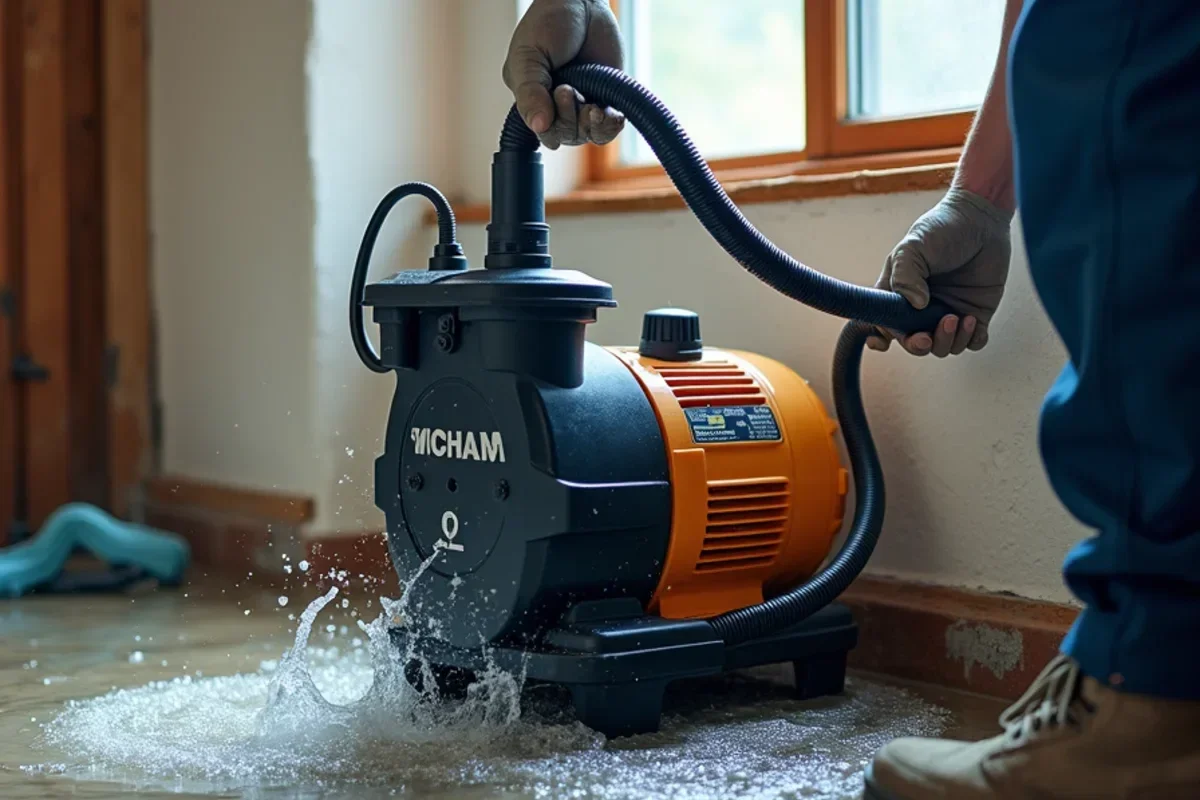
Identifying the Inundation Pathway: Groundwater, Sump Overflows vs Domestic Supply Ruptures
Accurately diagnosing where the water originated dictates how quickly the flooding can be stopped and directly impacts how your homeowners insurance adjuster will categorize the claim. Use this diagnostic checklist to isolate the failure pathway:
- Domestic Plumbing Rupture: If clean, clear water is gushing under continuous pressure from a wall cavity, ceiling fixture, water heater tank, or bathroom fixture, you are facing a pressurized supply failure. Immediately close your home’s main culinary water shut-off valve near the foundation wall or meter box.
- Mechanical Sump Pump Jam or Outage: If water is actively overflowing the basement sump crock while an electrical hum is heard, the pump discharge pipe may be frozen or the impeller jammed with debris. If the pump is silent, check whether the GFCI outlet tripped or if the float switch is wedged against the pit wall.
- Sub-Grade Hydrostatic Groundwater Seepage: If water is oozing through floor hairline cracks, perimeter footing cold joints, or mortar seams without any plumbing fixture running, elevated subterranean water tables are exerting hydraulic head pressure against your foundation.
- Municipal or Residential Sewer Lateral Backup: If dark, foul-smelling water is bubbling upward out of lower-level floor drains, shower pans, or basement toilets, a blockage in your exterior lateral line or a municipal collector main surcharge is forcing raw effluent into your home.
- Hillside Window Well Inundation: If water is cascading down foundation walls beneath basement egress windows, heavy snowmelt or clogged exterior gravel drains have filled the exterior well pit to window sill height.
High-Volume Extraction Physics: Why Submersible Trash Pumps & Truck Mounts Are Vital
Every hour standing water remains ponded on a basement concrete slab, moisture wicks upward into interior drywall, framing sill plates, and carpet underlayments. Capillary wicking inside gypsum drywall can lift water 12 to 24 inches above the visible pool line within hours. Domestic wet-dry vacuums hold only 5 to 10 gallons of water and generate insufficient vacuum lift to extract water embedded deep within carpet padding or beneath floating subfloors.
Ogden Mold Removal Solutions deploys heavy-duty industrial submersible trash pumps capable of discharging 3,000 to 5,000 gallons per hour directly to exterior drainage swales. Once bulk water is pumped down to the slab, our technicians deploy truck-mounted high-lift vacuum units equipped with weighted extraction glides. These glides apply concentrated downward mechanical pressure to compress carpet and padding, pulling up to 95% of trapped water out of porous floor coverings before demolition is considered.
| Water Category | Typical Weber County Sources | Biohazard Risk Level | Required Mitigation Protocol |
|---|---|---|---|
| Category 1 (Clean Water) | Burst culinary copper pipes, water heater leaks, supply lines | Low (initially sanitary) | Rapid water extraction, in-place structural drying if caught within 24–48 hours |
| Category 2 (Gray Water) | Washing machine overflows, dishwasher discharge, sump overflows | Moderate (contains chemical or biological residue) | Extraction, removal of carpet pad, application of EPA-registered antimicrobials, structural drying |
| Category 3 (Black Water) | Municipal sewer backups, river floodwater, agricultural ditch seepage | Severe (pathogenic bacteria, fungi, heavy metals) | Mandatory biohazard containment, removal of all porous materials, hospital-grade disinfection |
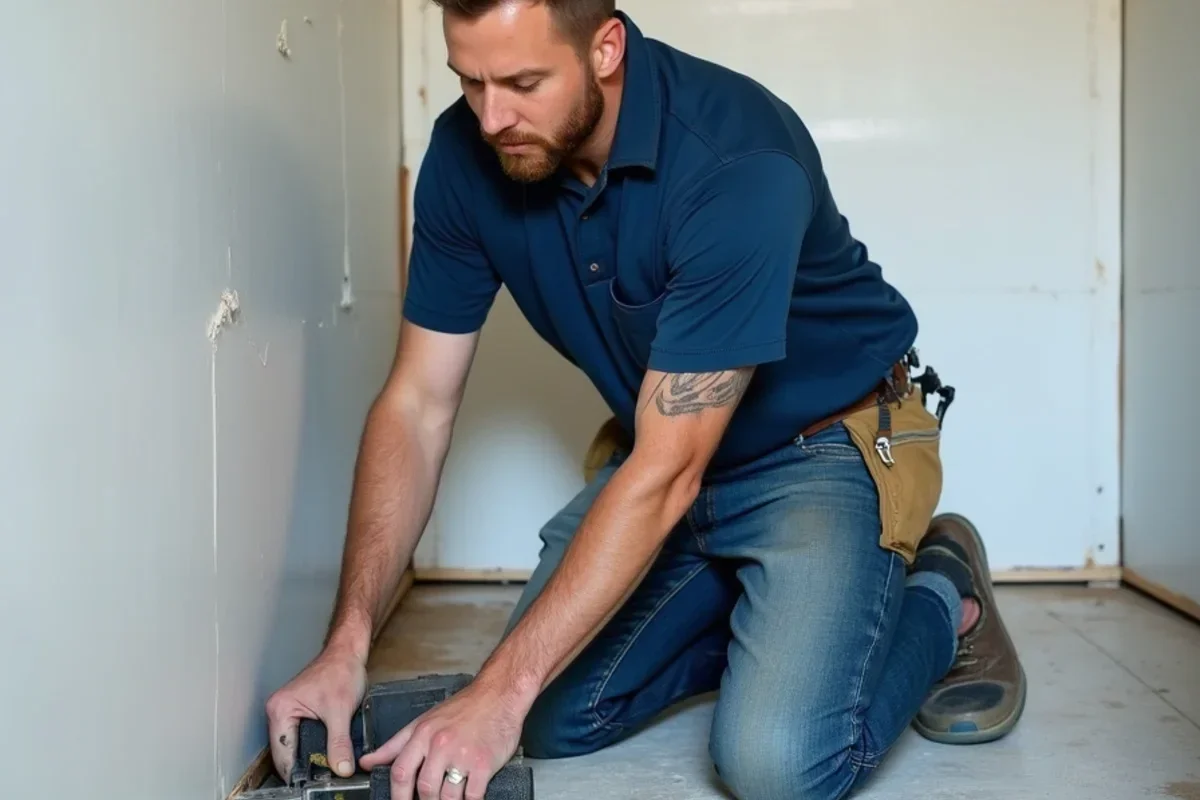
The Science of Flood Cuts, Insulation Extraction & Concrete Slab Desorption
Homeowners often hope that setting up fans in a flooded basement will dry everything without cutting into finished walls. However, professional restoration engineering dictates that wet drywall and fiberglass batt insulation cannot dry inside closed wall cavities without breeding toxic mold.
When water rises against basement walls, fiberglass insulation absorbs water like a sponge. Saturated insulation mats together, permanently losing its engineered thermal R-value. Even worse, wet insulation traps moisture against wooden 2x4 framing studs and exterior foundation concrete for weeks. Within 48 hours in a cool, damp basement, mold colonies—including Cladosporium, Penicillium, and Stachybotrys—colonize the paper backing of wet drywall.
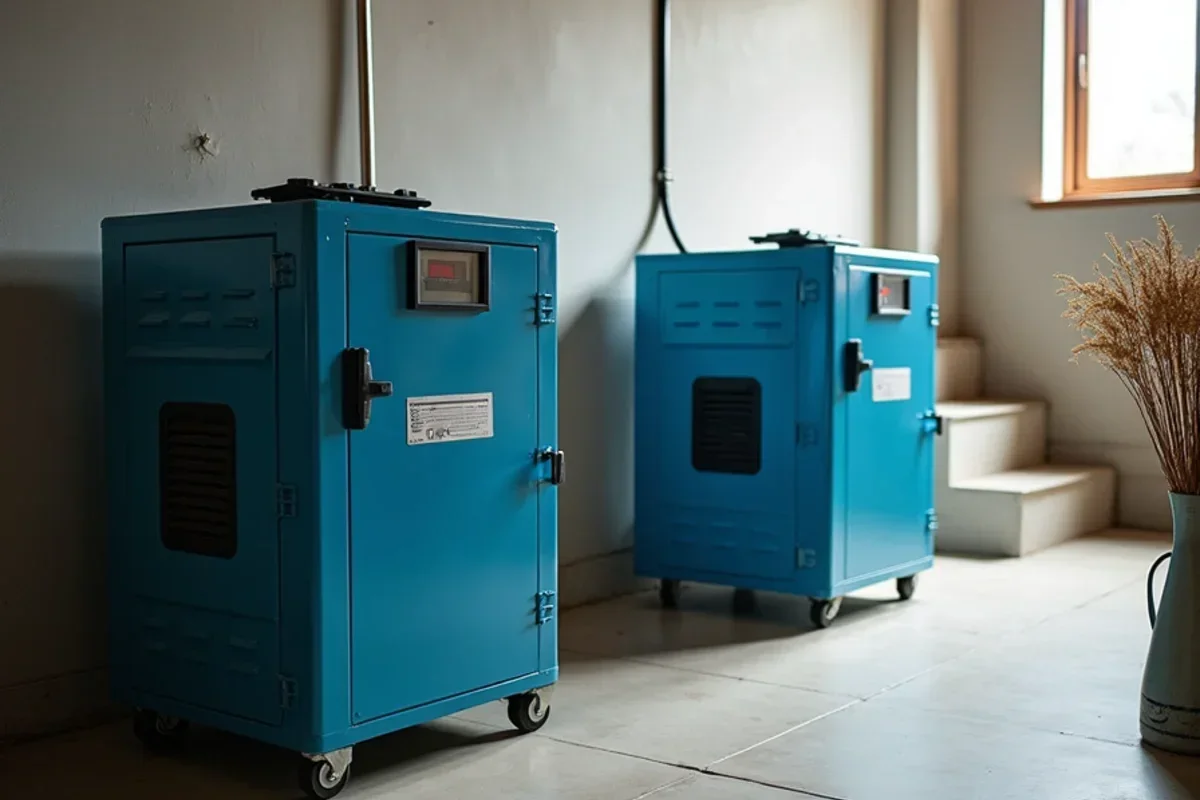
Our certified IICRC technicians execute surgical flood cuts 12 to 24 inches above the highest measured water line. We remove all wet insulation and expose the structural framing studs to directed airflow. High-velocity centrifugal air movers deliver continuous laminar airflow across framing bottom plates, while commercial low-grain refrigerant (LGR) dehumidifiers pull dozens of gallons of evaporated water vapor out of the air daily, desorbing moisture deeply bound inside foundation concrete.
Weber County Hydrogeology: Ben Lomond Snowmelt, River Alluvium & Bentonite Soil Pressure
Basement flooding in Weber County is deeply rooted in the region’s topography and hydrogeology. Above North Ogden and Pleasant View, Ben Lomond Peak rises to an elevation of 9,712 feet, storing immense winter snowpack. During rapid spring thaws in April, May, and June, millions of gallons of meltwater rush down mountain draws into the alluvial fans of the valley.
In low-elevation communities such as West Haven, Farr West, and Marriott-Slaterville—where the Ogden and Weber rivers converge—subterranean water tables rise to within 24 to 36 inches of the surface. Furthermore, the valley floor consists of dense, impermeable lacustrine clay and expansive bentonite deposits laid down by prehistoric Lake Bonneville. When these clay soils become waterlogged, they swell and expand laterally, exerting massive hydrostatic pressure against residential basement foundation walls. Water finds every hairline settling crack, cold joint, and sewer line penetration, flooding finished family rooms and entertainment spaces.
Navigating Your Insurance Claim: Water Backup Endorsements vs Flood Policies in Utah
One of the most critical aspects of basement flood recovery is understanding how property insurance policies handle below-grade water losses in Utah:
- Standard Homeowners Coverage (HO-3): Standard insurance policies cover sudden and accidental internal plumbing ruptures—such as a burst culinary pipe, failed water heater, or cracked toilet tank. However, standard policies explicitly exclude rising groundwater, exterior surface runoff, and sewer line backups.
- Water Backup and Sump Overflow Endorsement: This optional rider is essential for Weber County homeowners. It provides specific coverage (typically between $10,000 and $50,000) for losses caused by mechanical sump pump failure or municipal sewer line surcharges backing up into basements.
- National Flood Insurance Program (NFIP) Flood Insurance: If overland surface water from an overflowing river, creek, or street storm drain enters your basement through doors or window wells, it is classified as a flood and is only covered if you carry an active FEMA NFIP or private flood policy.
Our team assists you through every phase of the insurance process. We record timestamped pre-mitigation photo catalogs, comprehensive moisture readings, and itemized Xactimate estimates that detail the exact mechanical cause of loss, ensuring adjusters receive the documentation needed to approve full coverage.
24/7 Water Damage Emergency? We Are on Call Right Now
Speak directly with our Ogden restoration dispatchers. We arrive within the hour across Weber County with industrial water extraction pumps and rapid structural drying equipment.
- 5★ on Google (4 reviews)
- 24/7 Live Dispatch
- 60-Min Emergency Arrival
- Fully Insured
- Free Assessments
- Serving Ogden & Northern Utah since 2023
Frequently Asked Questions
- Rapid mountain snowmelt from Ben Lomond Peak drains into the Ogden and Weber river valleys, elevating the subterranean water table to within 2 to 3 feet of ground level. Saturated alluvial soils and bentonite clay exert heavy hydrostatic pressure against basement walls, forcing water through cold joints and overwhelming sump pumps.